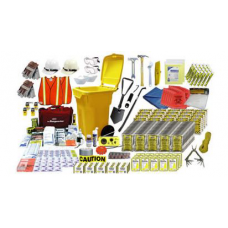
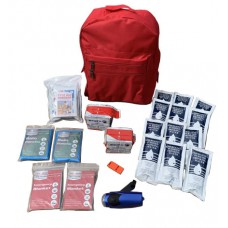
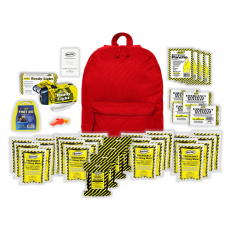
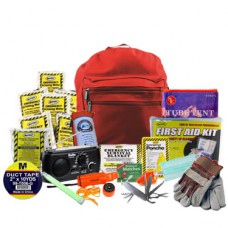
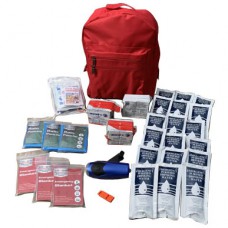
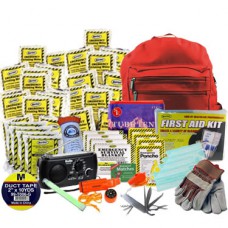
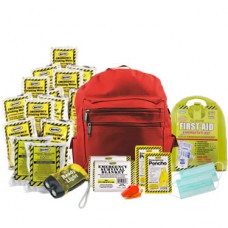
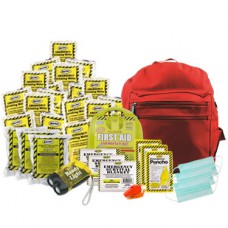
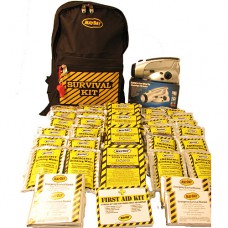
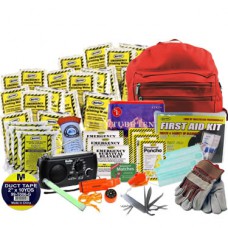
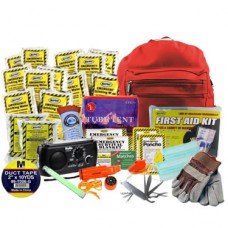
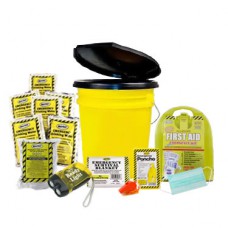
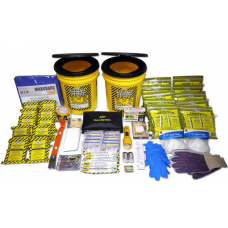
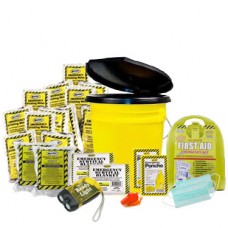
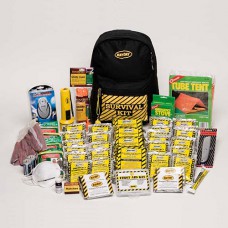
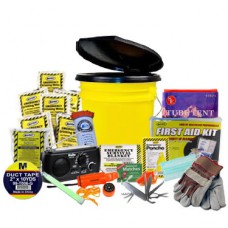
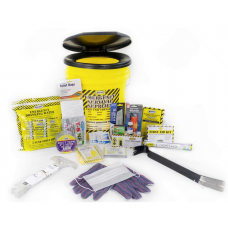
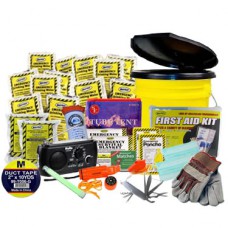
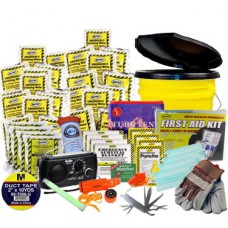
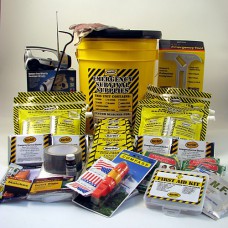
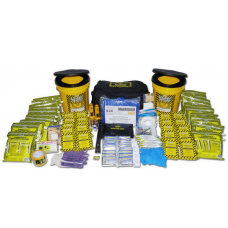
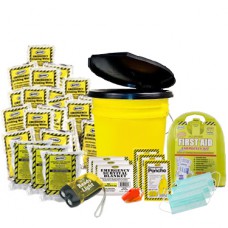
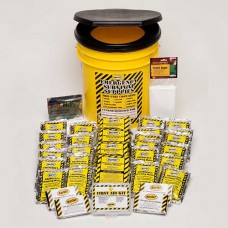
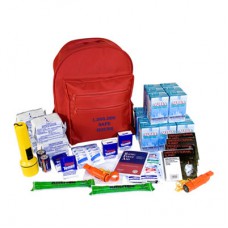
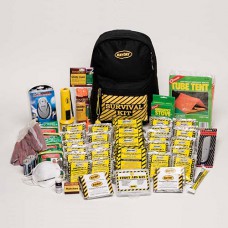
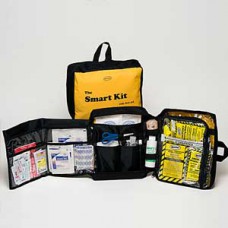
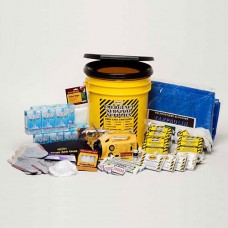
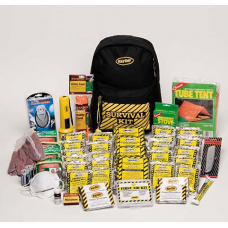
In the face of disasters, being prepared can mean the difference between safety and chaos. Disaster Survival Kits are essential resources that provide the necessary supplies to weather unforeseen emergencies and ensure your well-being. Whether you're relying on the 1 Person Advanced Emergency Kit for solo readiness or equipping a group with the 10 Person Deluxe Comprehensive 72 Hour Emergency Kit, these kits offer vital tools for survival and peace of mind. In this article, we'll explore the importance of these kits and provide you with a comprehensive checklist of items to include in your Disaster Survival Kit.
Disaster Survival Kits: Your Lifeline During Emergencies
Disaster survival kits provide crucial supplies to help you and your family endure and recover from various disasters, including natural disasters, power outages, or other emergencies.
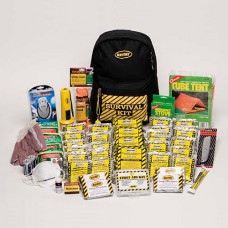
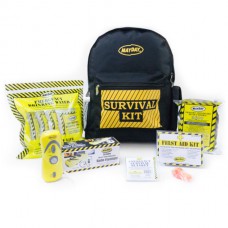
Resources you take for granted get cut off during a disaster. Because the power or water may take a week to come back on, be prepared to survive on your own in the meantime. A disaster kit from US Safety Kits is the best approach. Packaged in an easy-to-carry backpack, each disaster kit contains the staples one or two people need to survive for three days. When you're left to your own devices, you can get food rations, clean water, first aid supplies, lighting and signaling devices, a blanket, tools, and hygiene items in one of our disaster kits.
Disasters can quickly come, and no matter where you are, preparation is crucial. Before heading out into the outdoors or on the road, bring one of our disaster kits as backup. Or, in evacuation, grab and go with one of our disaster survival kits.
Why You Need Disaster Survival Kits:
- Immediate Preparedness: Disasters can strike at any moment, leaving you with little time to gather essential supplies. A Disaster Survival Kit ensures that you have everything you need readily available.
- Self-Reliance: During emergencies, emergency services may be overwhelmed or unable to reach you immediately. Having your survival kit allows you to be self-reliant until help arrives.
- Peace of Mind: Knowing that you have a well-prepared Disaster Survival Kit can bring peace of mind, allowing you to focus on the safety of yourself and your loved ones.
Disaster Survival Kit Checklist:
Here's a comprehensive list of items to include in your Disaster Survival Kit:
- Water: Plan for at least one gallon of water per person per day for drinking and sanitation. Store water in sturdy, sealable containers.
- Food: Non-perishable, high-calorie food items such as canned goods, energy bars, dried fruits, and freeze-dried meals. Don't forget a manual can opener.
- First Aid Kit: A comprehensive first aid kit with bandages, antiseptic wipes, adhesive tape, scissors, tweezers, pain relievers, and any necessary prescription medications.
- Communication: A battery-powered or hand-crank radio with extra batteries for staying informed about the situation.
- Lighting: Flashlights with extra batteries or solar-powered alternatives for illumination during power outages or nighttime emergencies.
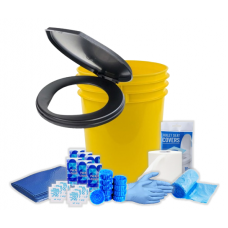
- Hygiene and Sanitation: Personal hygiene items like toothbrushes, toothpaste, soap, hand sanitizer, sanitary supplies, and a portable toilet with waste disposal bags.
- Tools and Equipment: Multi-tools, duct tape, a fire-starting kit (matches or lighters), and a Swiss Army knife.
- Important Documents: Copies of essential documents such as identification, insurance policies, medical records, and contact information, sealed in a waterproof container.
- Cash: Small denominations of cash can be useful if electronic payment systems are disrupted.
Customizing Your Disaster Survival Kit:
Consider the specific needs of your family and location when customizing your kit:
- Special Medications: If anyone in your family requires specific medications, ensure you have an ample supply.
- Infants and Pets: If you have infants or pets, include baby formula, diapers, and pet supplies in your kit.
- Climate Considerations: Adjust your kit based on the climate of your region. Include warm clothing and blankets for cold climates and sunscreen and lightweight clothing for hot climates.
- Local Hazards: Consider the types of disasters that are most likely in your area. For example, if you live in a hurricane-prone region, add hurricane-specific items like a generator or hurricane shutters.
Conclusion:
Disaster Survival Kits are crucial for ensuring your safety and well-being during emergencies. By assembling a well-prepared kit with the items mentioned in this checklist, you can significantly increase your chances of surviving and thriving during disasters. Remember to periodically review and update your Disaster Survival Kit to ensure that it remains current and effective. Preparedness is key, and a well-equipped kit is your lifeline when disaster strikes.